

From Crisis to Code, Rebuilding Global Aid
As funding cuts threaten millions, Miew uses lessons from the WorkwithUSAID platform to detail how technology can build trust and prove aid is making an impact.


Eldana, a malnourished seven-month-old baby girl in northern Ethiopia, sits on her mother’s lap as they visit a post to receive medical aid and nutrition packages, such as peanut paste from the United Nations World Food Programme (WFP). In April, we read this WFP story about Eldana and her mother, following the shock waves of funding cuts to international aid. We’re reminded of Eldana’s sweet face as we track the latest news about depleting funds for WFP—a massive 40 percent shortfall with possibly 58 million people facing starvation.
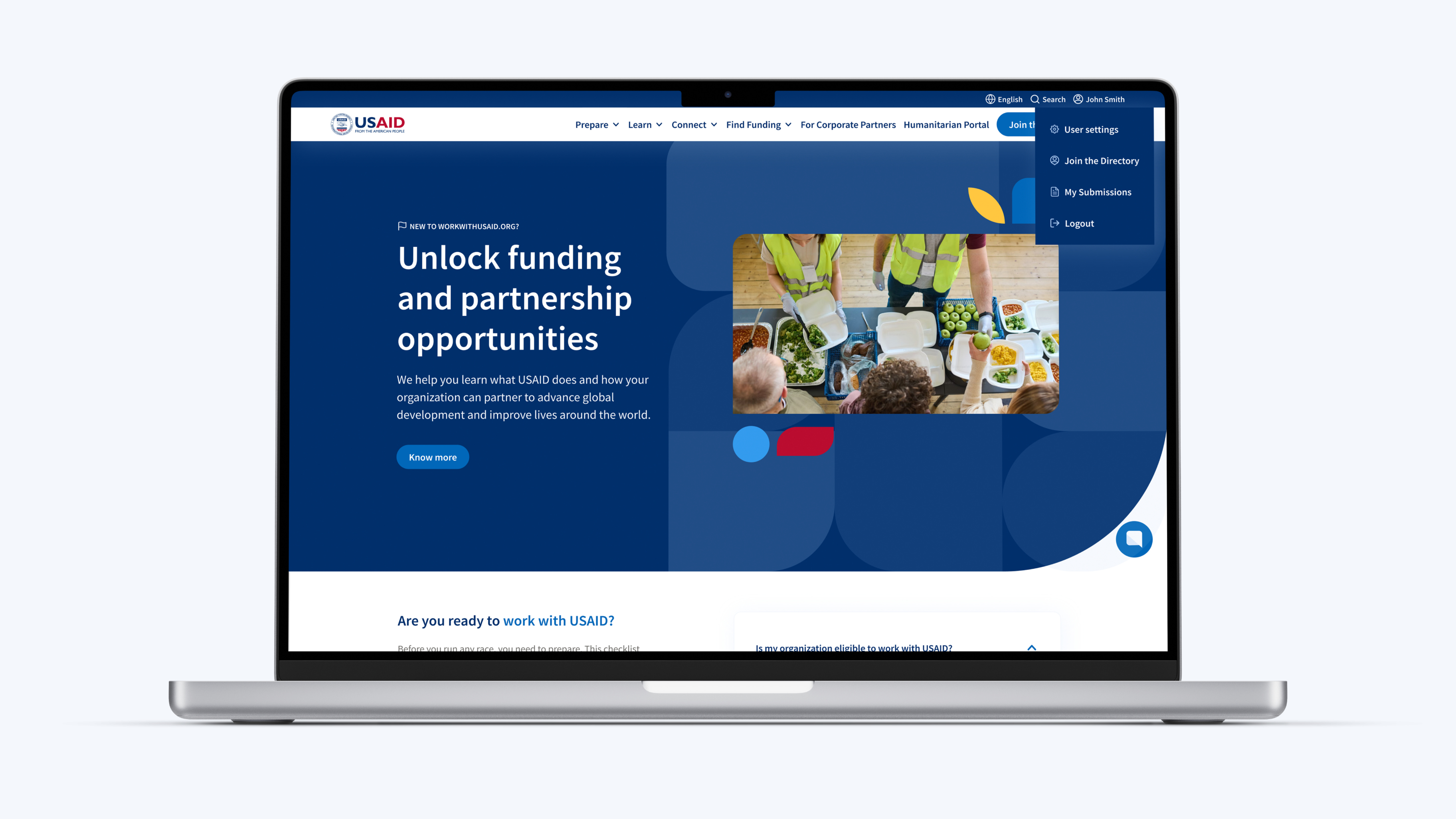
What does this have to do with a tech agency? Miew is certainly stopped in its tracks by stories like Eldana’s, yet we acknowledge that this is a crisis of system design. Our team is confronted with what could have been, remembering what we were building with the WorkwithUSAID platform—a digital front door designed specifically to avert these types of crises. The website addressed complex system failures in global aid while fostering trust, accountability, and community, and strengthened organizations across sectors, languages, and services.
Aid Accountability Requires Verifiable Reporting
International development and humanitarian aid are facing unprecedented challenges, with many questioning, “is the money making an impact?” The current climate involves funding drying up, thousands of aid workers being unemployed, and organizations struggling just to stay afloat. We are now witnessing the most tragic outcome of this systemic decay: critical humanitarian disasters go unaddressed as auditable proof is lost, trust erodes, and the logistical network fails.
The challenges are compounding, and particularly with USAID, the Agency was shuttered, with some claims that there was inadequate reporting on deliverables and impact. There is donor fatigue because of this lack of accountability, trust, and efficiency. As Miew engaged with USAID and its partners, we recognized the fragmented, duplicative, and, quite frankly, confusing nature of digital systems for foreign aid.
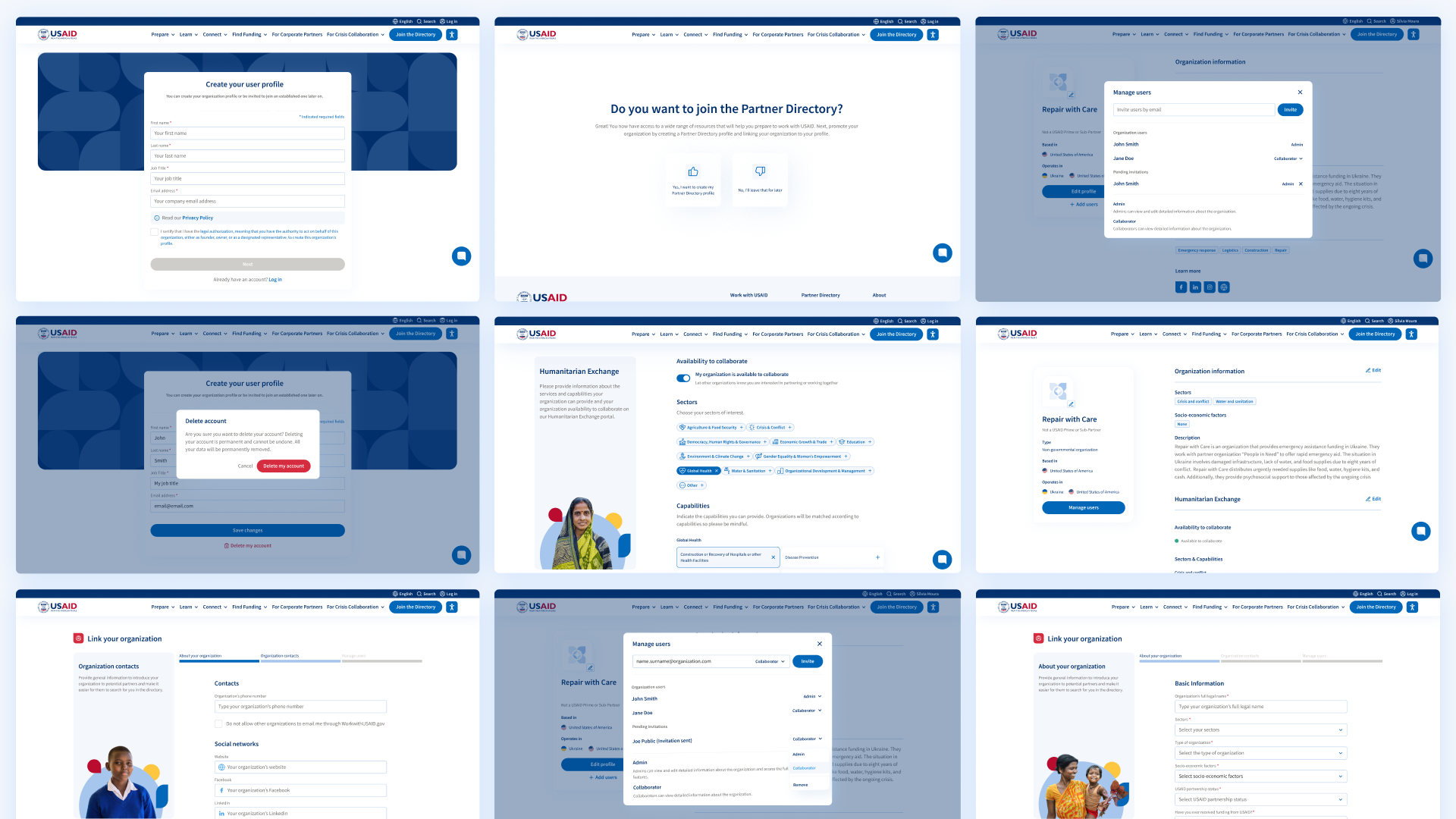
Our efforts on the WorkwithUSAID platform were intended to solve these issues. The first layer of the platform established a secure, verifiable identification process to join the platform through a Partner Directory. This foundational layer of accountability paved the way for sustainable solutions for the development community—efficiencies, capacity strengthening, and resilience. We had already received an honorable mention from Fast Company’s World Changing Ideas. We were on the cusp of launching additional revolutionary products that could transform the global aid and donor-to-beneficiary processes.
As our work was halted at the beginning of 2025, we’ve had the opportunity to reflect on lessons learned. The platform we helped architect was visionary for the development and humanitarian aid ecosystem, and we believe it would have been resilient even through the current political upheaval. Here are a few examples:
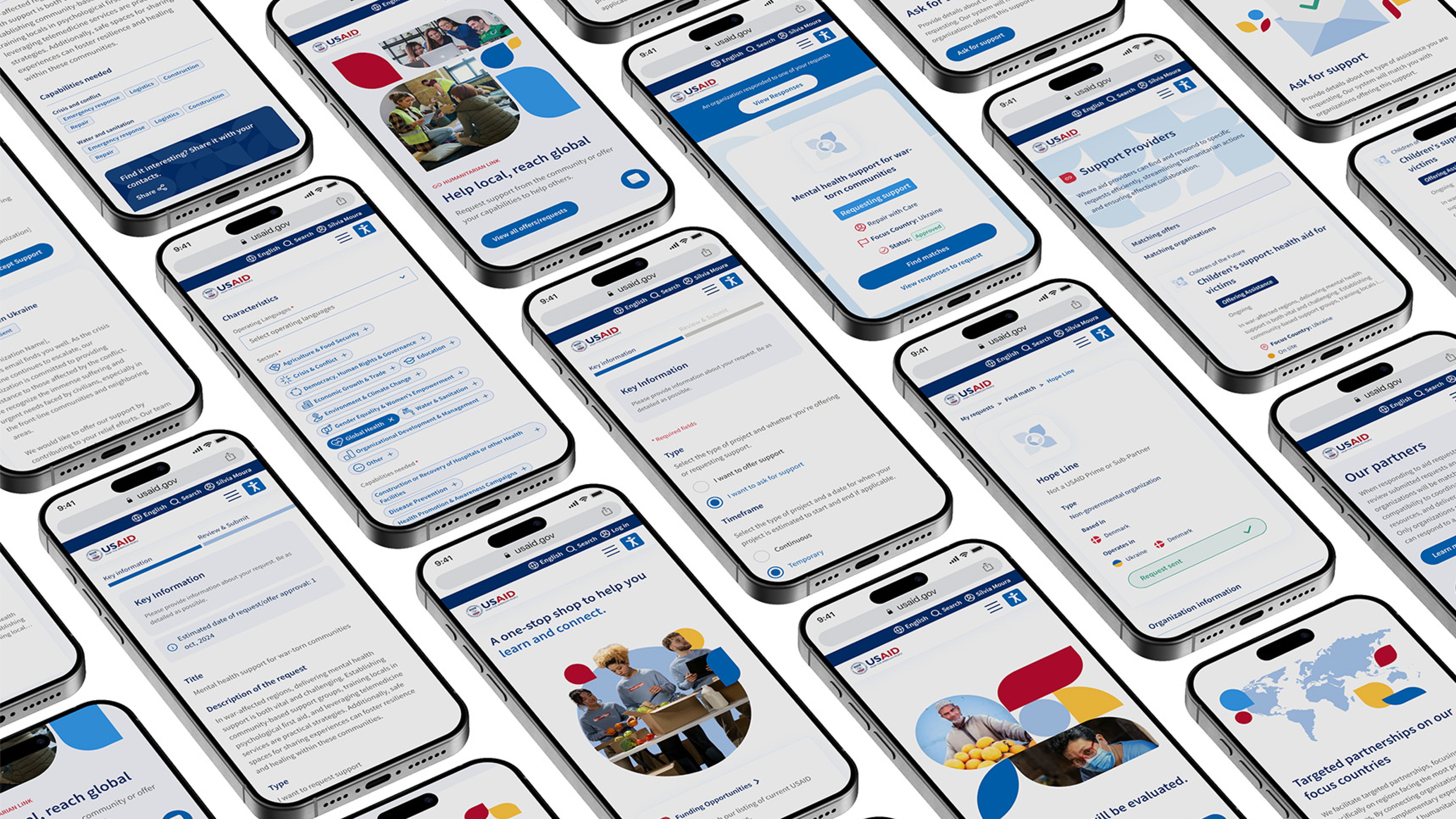
Streamlined Access to Funding: The WorkwithUSAID platform provided streamlined essential services, particularly funding-related services. It offered features like a Funding Feed and a Sub-Opportunities Feed, which pulled real-time grants and contracts from the federal government and funded organizations into accessible listings that could be quickly pursued. Additionally, we developed a cohesive Unsolicited Submissions solution that, from the front end to the back end, saved countless hours for both USAID staff and submitters. This tool allowed users to submit innovative ideas without bureaucratic delay, ensuring ideas landed on the right desk and that organizations received meaningful feedback.
Community-Driven: From day one, the Partner Directory fostered social impact and peer-to-peer collaboration. What started as a static listing of organizations quickly evolved into a gamified platform for organizations to message each other and, eventually, into an exchange for requests and services related to humanitarian aid. Miew understood that trust is decentralized and cannot be managed solely by a government database. Beyond verifying organizations through a secure government review process, we were layering that with community endorsements and networking opportunities. We built in accountability from all angles.
Engrained Sustainability: Miew’s core commitment was to strip down complexity and build intentional layers focused on functional agility and data permanence. The architecture itself empowered users to thrive independently. To mitigate the overwhelming mismatch of efforts across organizations, Miew redesigned a critical Pre-Engagement Assessment to measure organizational capacity before they pursued grants and contracts. They were inspired to grow their strengths through a world-class Resource Library and Blog that offered strategic tools and insights. The goal was simple: help local organizations rely less on government funding over time by providing the skills to pursue diverse revenue streams, strengthen internal operations, and become global competitors.
While USAID no longer exists, the digital blueprint remains, and our hope to change the world is still very much alive. We know that a digital platform built on verifiable trust, data, and sustainability has the potential to serve limitless communities.
Building Blocks of Transparency in Aid
In losing these solutions, the ensuing digital gap is proof that dependency on a single, governmental or institutional entity is a structural flaw. We’re seeing the fissures in the international aid system turn to full-blown fractures as additional funding is cut off. To save lives and the integrity of the sector, the need for a truly independent, resilient, and verifiable solution is more urgent than ever.
Miew is uniquely positioned to solve this crisis through improved system design and technology. At the core, we’re solving that damaging question: is the money making an impact? Blockchain is the necessary technology to put that question to rest. We detailed the complete methodology for this next-generation solution in our article, Miew’s Blockchain Blueprint for Humanitarian Aid, which serves as the foundational design for the future. Miew can replace the bureaucratic black box with a solution that provides three essential features:
Immutable Records: Every financial transaction, every procurement decision, and every resource allocation is logged on an irreversible, tamper-proof chain. This provides complete, real-time auditable proof from the initial donor to the final beneficiary.
Verifiable Endorsements: Accountability can be built into the system by creating verifiable digital credentials for partners, replacing generic ‘About Us’ descriptions. This allows the community—not a government—to build a decentralized proof of track record.
Digital Independence: A solution built on a decentralized platform is not reliant on the budget or existence of a single government agency. It is owned and validated by the network.
Miew’s Commitment to the Path Forward
We are actively channeling the lessons learned from the WorkwithUSAID platform into a definitive, new initiative. Miew is committed to pioneering an independent, accountable platform built for sustainability and impact. The future of international development depends on transparency and digital resilience, and we are building the digital ecosystem that will guarantee both.
The solution is no longer a question of “if,” but “when.”
We invite all committed partners, donors, and organizations who are ready to build the next phase of transparent aid to closely follow our progress for the public unveiling. For those ready to move from crisis analysis to coding and building the solution, we invite you to connect with us directly to discuss the next phase of this crucial mission.